California Recalls All Raw Farm Milk and Cream After Bird Flu Detections
State health officials widened a recall of Fresno-based Raw Farm products after bird flu was found in milk and cream, though experts say the risk of catching the virus by drinking it appears low.
By Amy Swan ·
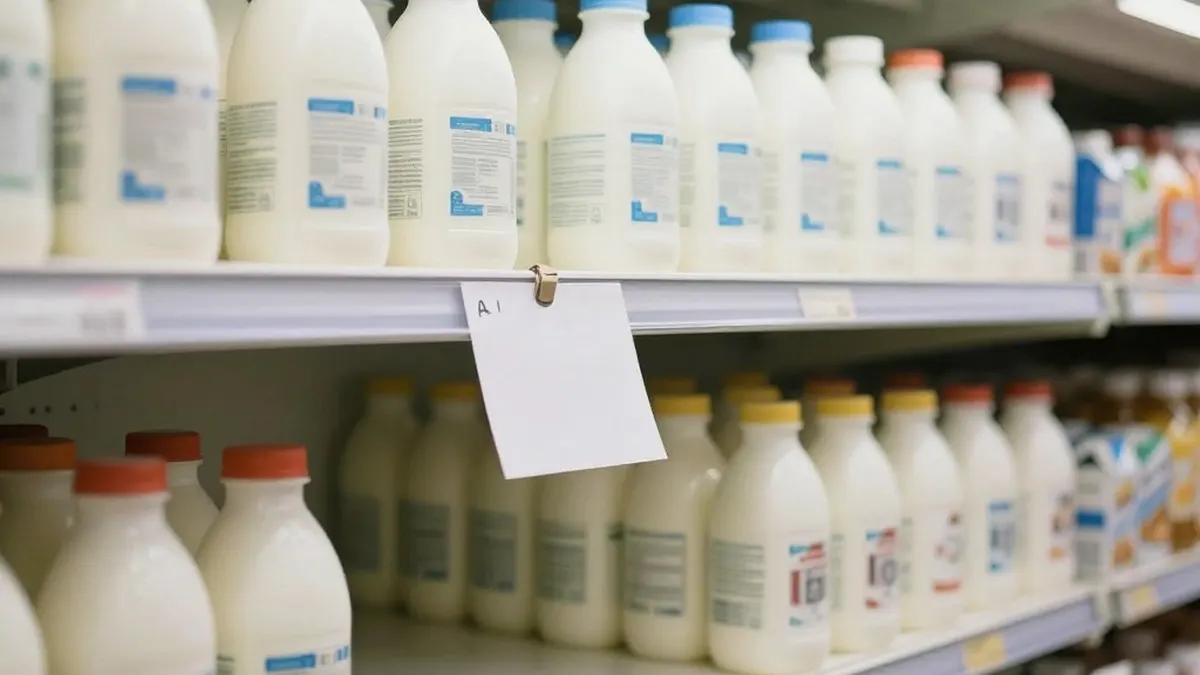
California's public health department has expanded a recall to cover all Raw Farm brand milk and cream on store shelves, replacing an earlier action that had targeted only two lot numbers. Officials are also urging people not to consume any of the other raw dairy products made by the Fresno company.
Testing found bird flu in the company's milk and cream as recently as the past week. Positive results came from samples taken at both retail locations and dairy storage and bottling sites. The recall covers products made between Nov. 9 and Nov. 27, with lot numbers 20241109 through 20241127.
The department said the overall risk to the public remains low and that it is working to contain the problem. To date, human cases of bird flu have been identified mostly among dairy workers in the Central Valley.
Shoppers are unlikely to see Raw Farm products on shelves for some time. The farm has been placed under quarantine, which bars it from distributing new batches of raw milk, cream, kefir, butter and cheese. The department advises avoiding those items, along with the company's raw milk pet food topper and pet food kefir. Customers can return products to the place of purchase for a refund.
The recall has drawn fresh attention to raw milk, which most people do not drink. About 4.4% of U.S. adults say they consume unpasteurized milk at least once a year. The product has recently been in the spotlight in part because of Robert F. Kennedy Jr., President-elect Donald Trump's nominee for secretary of Health and Human Services, who has been a strong advocate for it.
The virus, known as H5N1 and part of the influenza family, tends to settle in a cow's mammary glands, which explains why it turns up in milk. Whether people can become sick from drinking contaminated milk is a separate question.
Dr. Kimberly Shriner, medical director of infection prevention at Huntington Health in Pasadena, said "most of the data shows that the risk from ingesting H5N1 contaminated material, whether it's milk or something else, that the risk of acquiring the actual disease is relatively low." Still, factors such as viral load can alter the risk, and the department said virus levels have been high in raw milk from infected cows. Current data suggests infection is less likely through drinking than through breathing the virus in, but it remains possible.
Shriner called the recall a "prudent" step because viruses can mutate quickly. "I think it's important to understand that you can be exposed to it," she said. "But have there been any documented diseases in a human where that's been the portal of entry? As of yet, no."
Health officials have monitored bird flu for years, worried it could become the next pandemic. Shriner said the virus would only need to mix with regular influenza, the H1N1 virus, to pick up the attachment mutation that makes human infection easier. Human-to-human transmission is extremely rare and has not occurred in the United States. "We do still need to depend on public health departments to keep us safe from diseases that can be potential for pandemics," she said.
Source: LAist